Plumbing Service in Broward County
Welcome to our guide on plumbing septic tank cleaning. Proper septic tank maintenance is essential for efficient and sanitary disposal of wastewater from your home. Regular cleaning and care not only prevent costly repairs but also protect the environment and ensure the longevity of your septic system. In this article, we will discuss the importance of septic tank cleaning. These signs indicate it’s time for a cleaning and the process involved in keeping your septic system in optimal condition.
The Importance of Septic Tank Cleaning
Septic tanks play a vital role in wastewater treatment for homes not connected to the municipal sewer system. Over time, solid waste and sludge accumulate in the tank, leading to clogs, backups, and system failures. Regular septic tank cleaning is crucial for the following reasons:
- Preventing Clogs and Blockages: Over time, solid waste and debris settle at the bottom of the septic tank, forming a layer of sludge. If not cleaned regularly, this sludge can build up and clog the inlet and outlet pipes, leading to backups and potential plumbing issues in your home.
- Maintaining Proper Function: A clean septic tank efficiently separates solids, liquids, and scum. This separation process ensures that the liquid effluent that exits the tank is clear and safe to absorb by the drain or leach fields. Regular cleaning helps maintain the proper functioning of the septic system.
- Extending the Lifespan of the System: A well-maintained septic tank can last for decades. By scheduling regular cleanings, you can prevent unnecessary strain on the system and prolong its lifespan, saving you from the costly expense of septic system replacement.
Signs That Your Septic Tank Needs Cleaning
While septic tank cleaning should be performed regularly, certain signs indicate that your tank may require immediate attention. Look out for the following indicators:
- Slow Drains: If your sinks, toilets, or showers are draining slower than usual, it could be a sign of a full septic tank. Sludge accumulation can restrict wastewater flow, causing drainage issues in your home.
- Foul Odors: Strong, persistent odors around the septic tank or in your yard may indicate that the tank is full and needs cleaning. The presence of odors suggests that gases produced during decomposition are not properly venting, potentially causing unpleasant smells.
- Pooling Water or Soggy Ground: If you notice areas of pooling water or soggy ground around the septic tank or drain field, it could be a sign of a full tank. The excess wastewater has nowhere to go, resulting in the accumulation of water above the ground.
- Gurgling Noises: Unusual sounds from your plumbing fixtures, such as toilets or drains, may indicate a backup in the septic tank. This backup can occur when the tank is full and needs cleaning.
The Process of Septic Tank Cleaning
Septic tank cleaning is a specialized task that trained professionals should perform. Here is an overview of the typical process involved:
- Septic Tank Inspection: A professional plumbing septic tank cleaning will assess the condition of your tank, checking for any signs of damage or leaks. They will also measure the sludge and scum levels to determine the degree of cleaning required.
- Pumping the Tank: Using specialized equipment, the septic tank cleaner will pump out the accumulated sludge, scum, and wastewater from the tank. This process ensures the tank is thoroughly cleaned and ready for optimal function.
- Proper Disposal: The removed waste will be transported to a licensed facility for proper disposal and treatment, following local regulations and environmental guidelines.
- Tank Maintenance: After cleaning, the septic tank cleaner may provide recommendations for ongoing maintenance, such as using bacterial additives or enzyme treatments to promote the breakdown of organic matter.
Regular Maintenance for Long-Term Success
To maintain a healthy septic system, regular maintenance is crucial. In addition to septic tank cleaning, consider the following practices:
- Conserve Water: Minimize water usage by fixing leaks, using water-efficient fixtures, and practicing water-saving habits. Excessive water usage can overload the septic system and lead to more frequent cleanings.
- Proper Waste Disposal: Avoid flushing non-biodegradable items, chemicals, grease, or excessive amounts of harsh cleaners down the drain. These can disrupt the natural decomposition process in the septic tank and cause clogs.
- Schedule Inspections: Regularly schedule professional inspections of your septic system to catch any potential issues early on and ensure proper ongoing function.
By following these guidelines and maintaining a regular septic tank cleaning schedule, you can ensure the longevity and efficient operation of your septic system, protecting your home, the environment, and your wallet.
Call Us Today:
954-715-6858
GET FREE ESTIMATE!
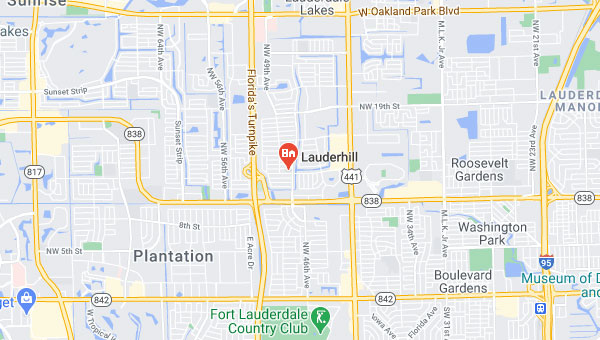
Our Locations:


Submit your review | |